
The casino environment is meticulously crafted to entice visitors from the moment they cross the threshold. A symphony of bright lights, lively colors, and captivating sounds creates an atmosphere that is both exciting and overwhelming. This sensory stimulation is no accident; it is designed to keep patrons engaged, prolong their stay, and encourage continued spending, which can include options like rocket casino withdrawal to enhance their experience. The strategic arrangement of gaming machines and tables, along with the availability of food and beverages, immerses players in this world, making it easy to lose track of time and money.
To amplify excitement, casinos employ psychological techniques that enhance the thrill of gambling. A prime example is the concept of near-misses—when a player comes close to winning but ultimately falls short. These moments evoke a sense of hope and anticipation, often prompting continued play. This phenomenon is closely linked to variable reinforcement schedules, where rewards are delivered unpredictably, heightening excitement as players pursue that elusive jackpot. The casino’s environment serves not just as a backdrop but as a catalyst for the psychological thrill that gambling offers.
Furthermore, the architecture of casinos plays a significant role in fostering a sense of continuous gambling. With the absence of windows and clocks, these establishments create an illusion of timelessness, making it challenging for players to gauge how long they have been engaged in gaming activities. The lack of natural light, combined with a plethora of distractions, contributes to a feeling of isolation from the outside world, allowing players to remain focused on their gambling pursuits. This carefully constructed ambiance is fundamental in luring individuals into the exhilarating world of gambling.
Gambling is often a social endeavor, particularly in the vibrant atmosphere of a casino. The interactions among players can significantly shape individual behavior and decision-making processes. The presence of fellow gamblers can amplify excitement and risk-taking, which may lead to higher stakes being placed. This social reinforcement enhances the enjoyment of gambling and cultivates a sense of community among participants, creating an environment where shared experiences heighten the thrill.
Peer pressure is another powerful force within the gambling arena. Observing others winning or reveling in their gaming experiences can compel individuals to join in, often leading to emulation of behaviors. This dynamic may result in what is known as “chasing losses,” where players continue to gamble despite experiencing a losing streak, driven by the desire to conform to the group’s expectations or to reclaim their previous winnings. In such scenarios, rational decision-making may be overshadowed by emotional impulses that are fueled by the social dynamics surrounding them.

Conversely, some players may prefer solitude while gambling, using it as a means of escape or personal reflection. However, even solitary gamblers are not immune to the pervasive social atmosphere of the casino, which can still influence their behaviors and choices subconsciously. Whether in a group setting or alone, the social dynamics present in casinos play a crucial role in shaping the psychology of gamblers, reinforcing the complexities of gambling behavior in these environments.
Cognitive biases significantly influence gambling behavior, often leading players to make irrational decisions. One prevalent bias is the illusion of control, where gamblers mistakenly believe they can affect the outcome of a game through their skills or strategies, despite the inherent randomness of most games. This overconfidence can lead to increased risk-taking, as players frequently underestimate the role of chance in their gambling experiences, believing they have more influence than they truly do.
The gambler’s fallacy is another common cognitive bias that affects decision-making. This belief holds that past outcomes will somehow influence future results, leading individuals to think that if a certain event hasn’t happened recently, it is “due” to occur soon. This misconception can cause players to adopt faulty betting strategies, often increasing their wagers based on erroneous logic rather than sound statistical reasoning. Such biases do not only affect individual choices; they also contribute to the persistence of gambling behavior, even in the face of adverse outcomes.
Additionally, the framing effect can greatly shape how players perceive their gambling activities. The presentation of information—such as emphasizing wins while minimizing losses—can skew a player’s understanding of their overall performance. This selective memory can create an inflated sense of success, encouraging further gambling even when it may not be financially prudent. Recognizing these cognitive biases is essential for understanding the psychological factors that drive gambling behavior in casinos and the potential for problematic gambling patterns to develop.
The emotional experience of gambling often resembles a rollercoaster ride, characterized by peaks and valleys that can profoundly affect a player’s psychological well-being. Winning can elicit feelings of joy and elation, creating a euphoric sensation commonly referred to as “the rush.” This emotional high can lead players to continue gambling, driven by the desire to replicate the excitement associated with each win. Such experiences can create a cycle where the anticipation of future wins becomes a compelling motivator for continued play.
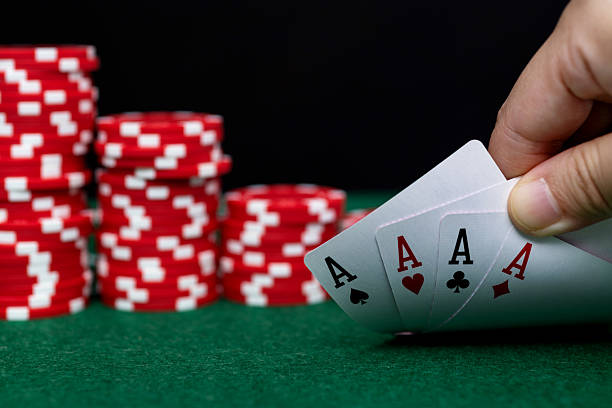
In stark contrast, the experience of losses can evoke negative emotions such as frustration, disappointment, and despair. The emotional toll of losing can create a cycle where players feel compelled to chase their losses, leading to further gambling and potentially escalating financial risks. This emotional rollercoaster not only influences individual gambling behavior but also has broader implications for mental health, as repeated losses can contribute to conditions like anxiety and depression among gamblers. The interplay between wins and losses profoundly impacts a player’s decision to gamble.
The dynamic between winning and losing weaves a compelling narrative throughout the gambling experience. Players often find themselves ensnared in a loop, where the anticipation of future wins drives them to continue gambling, even amid adverse outcomes. This deep emotional engagement with gambling serves as a powerful psychological factor that influences behaviors, potentially leading to problematic gambling patterns over time. Understanding this emotional rollercoaster is crucial for recognizing the risks associated with gambling and the need for responsible gaming practices.
In today’s rapidly changing gambling landscape, online resources are essential for providing support to those struggling with gambling behaviors. Numerous websites dedicated to gambling addiction awareness offer valuable information, resources, and tools for individuals seeking to understand their relationship with gambling. These platforms often serve as vital lifelines, connecting individuals with support groups and counselors who specialize in gambling issues, guiding them toward recovery and healthier habits.
Moreover, many online resources provide educational content that explores the psychological aspects of gambling, helping individuals identify cognitive biases and emotional triggers that may lead them to engage in risky gambling behaviors. By promoting awareness and understanding of these factors, these websites empower individuals to make informed decisions about their gambling habits and to seek assistance when necessary. This proactive approach can be pivotal in addressing gambling-related issues before they escalate into more serious problems.
Ultimately, the integration of online support systems highlights a growing recognition of the complexities surrounding gambling psychology. By offering accessible resources, individuals can navigate their gambling experiences in healthier, more responsible ways, fostering an environment where informed choices and recovery are prioritized. This shift underscores the importance of viewing gambling as a psychological phenomenon that deserves attention and comprehensive support, ensuring that those affected can find the help they need to foster a balanced approach to gambling.