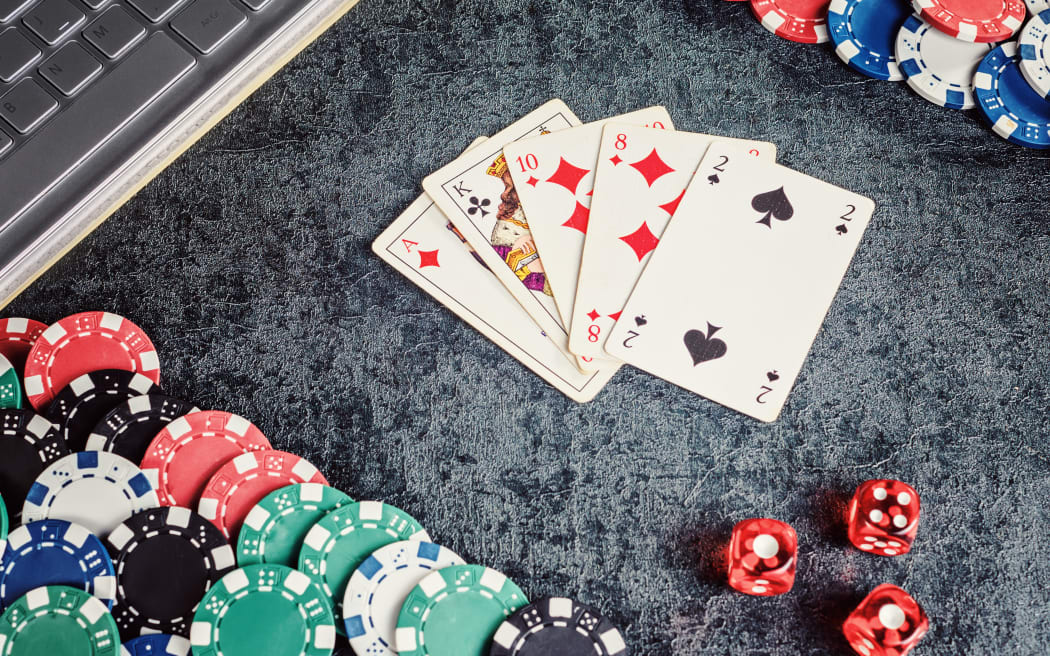
Luck is often seen as a cornerstone of gambling, especially in casino environments. Many games, such as slots and roulette, are predominantly based on chance, meaning that players have little to no control over the outcome. The random nature of these games can lead to significant wins or losses in the blink of an eye, illustrating how luck can sharply influence a player’s experience. For instance, a player might win a jackpot from a single spin, and the thrill of that moment can be compared to playing the best online pokies australia real money which also relies heavily on luck, an event that is entirely dictated by chance rather than any strategy or skill.
In addition to the games themselves, the environment within a casino can further amplify the role of luck. Factors like the time of day, the crowd, and even the emotional state of a player can create an atmosphere of serendipity. A player who feels lucky might make bolder bets, leading to unexpected wins. Similarly, superstitions can also play a role as players engage in rituals they believe will enhance their luck. Such psychological factors, intertwined with the sheer unpredictability of gambling, reinforce the perception that luck is paramount to success.
However, it’s vital to recognize that luck can be fleeting. Many players may enjoy a successful streak due to luck, only to face losses in the long run. The inherent randomness of luck ensures that no player can rely on it as a consistent path to success. While luck can provide exhilarating victories, it can just as easily lead to frustration and loss, emphasizing that while luck contributes significantly to casino outcomes, it is not the sole factor.
While luck plays a crucial role, skill should not be disregarded when discussing casino success. In games such as poker, blackjack, and even sports betting, skill can greatly affect the outcome of a player’s experience. Knowledge about game strategies, probability calculations, and understanding an opponent’s behavior can give a player a significant advantage. For example, a professional poker player relies heavily on their ability to read other players and make strategic decisions rather than depending solely on the cards dealt.
Moreover, skilled players often invest time in honing their abilities and understanding the nuances of the games they play. This dedication can significantly increase their chances of winning over time. In blackjack, for instance, card counting can give a player a substantial edge. Although such strategies require effort and a deep understanding of the game, those who master them can mitigate the randomness that luck introduces, thereby improving their odds considerably.
Additionally, using analytical tools and software has become increasingly popular among skilled players. Many serious gamblers utilize data analysis to track their performance and refine their strategies in games such as poker or sports betting. By applying mathematical principles and statistical methods, they can make informed decisions that might not solely rely on the luck of the draw. Therefore, while luck plays its part, skill can be the differentiating factor that leads to consistent success in the casino atmosphere.
The relationship between luck and skill in casino success is not merely a dichotomy but rather a complex interplay. In many instances, skilled players have the opportunity to leverage good luck to maximize their success. For example, in a game like poker, even the most skilled player can benefit from a fortunate run of cards. Conversely, an inexperienced player may find themselves relying solely on luck and ultimately experiencing losses due to a lack of strategy.
This interplay can significantly influence the variance experienced by players. Variance refers to the fluctuations in results over time – a skilled player may experience a down swing due to bad luck, but their expertise typically helps them recover more effectively than an unskilled player. Therefore, while a player may experience luck in the short term, their long-term success often relies on their skill level, reinforcing the idea that mastering the game can lead to more sustainable outcomes.
Moreover, tournaments highlight this intersection beautifully. Players compete not only against luck but also against one another. A tournament champion often combines skill with a bit of luck, showcasing that both elements can coexist. The ability to navigate challenging scenarios, coupled with favorable circumstances, often determines a player’s ultimate success, teaching us that in the world of casinos, neither luck nor skill can be wholly separated from one another.
The psychology of gambling explores how players perceive luck versus skill, impacting their decision-making. Players often attribute their victories to skill and their defeats to bad luck. This cognitive bias can lead to overconfidence, as individuals may believe they possess more control over outcomes than they genuinely do. For instance, a player winning consistently might start to think their skill is the only reason for their success, overlooking the random elements at play.
Additionally, the feeling of being “in the zone” or experiencing a “lucky streak” can significantly influence a player’s behavior. When players believe they are lucky, they might take more risks, leading to both greater wins and losses. This psychological phenomenon illustrates how emotions can intertwine with the concepts of luck and skill, driving players to make decisions that they might not consider while being rational. Handling these psychological factors is crucial for players who want to succeed in the long run.
Moreover, understanding one’s personal limits and recognizing the role of both luck and skill can contribute to responsible gambling practices. By acknowledging that luck can change at any moment, players may be more inclined to set boundaries for themselves and approach gambling as a form of entertainment rather than a way to achieve financial success. This balance can lead to a healthier relationship with gambling, where they can appreciate the thrill while being mindful of their strategies and emotional responses.
For those interested in diving deeper into the world of gambling, a wealth of resources is available. Websites dedicated to gambling strategies provide valuable insights into various games, helping players understand the balance between luck and skill. These platforms often feature expert advice, tutorials, and community forums where players can share their experiences and strategies. Engaging with these resources can empower players, allowing them to enhance their skills while understanding the unpredictable nature of luck.
Furthermore, many casinos also offer educational workshops and seminars aimed at improving player skills. Such initiatives can help new players grasp the basics and even provide insights for seasoned gamblers looking to refine their techniques. By taking advantage of these resources, players can develop a more comprehensive understanding of how to navigate the complexities of luck and skill in their gambling experiences.
Ultimately, whether one is a casual player or a dedicated enthusiast, understanding the dynamics of luck and skill can enhance the overall gaming experience. Embracing both elements, along with the resources available, can lead to better decision-making and a more enjoyable time in the casino. Players can approach each gaming session with a clearer perspective, blending their skills with the unpredictable nature of luck for a more fulfilling journey in the world of gambling.